







Search Results for: Triangular Tea Bags

From Silk Pouches to Pyramid Tea Bags: The Differences Between Triangular and Flat Tea Bags and the Evolutionary History of the Tea Bag's Invention
Tea bags have long been part of everyday life, but have you ever wondered where they came from? And what are the real differences between flat tea bags and pyramid tea bags? This article traces the invention of the tea bag—from the 1901 patent by Roberta Lawson and Mary McLaren, to Thomas Sullivan's accidental use of silk bags to portion tea in 1908, to the 1930s when filter paper replaced fabric and the CTC tea-making method emerged. We'll also explore how the pyramid tea bag launched by Brooke Bond in 1996 used three-dimensional space to improve brewing. Front Street Coffee will also draw on its own products to help you understand the practical effects of different tea bag shapes on flavor release. [more…]
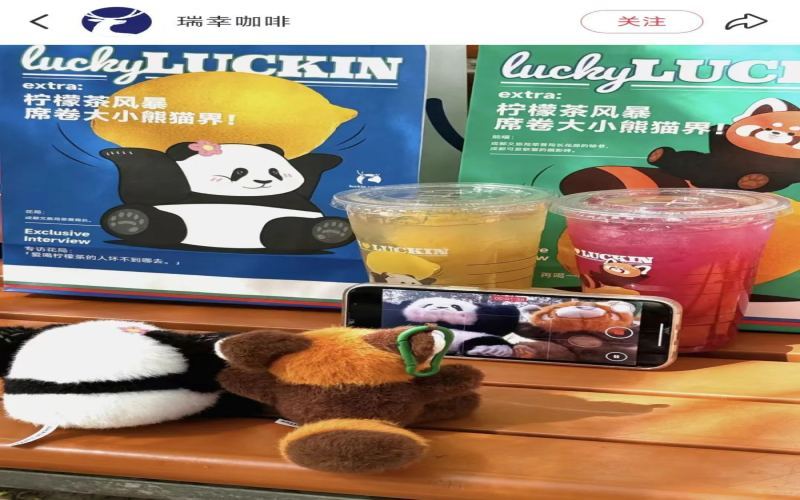
Luckin Coffee teamed up with Chengdu Culture and Tourism to launch panda plush toys, but quality control issues with the Huahua plushie sparked a collective backlash from netizens.
Luckin Coffee recently teamed up with Chengdu Culture and Tourism to launch a co-branded series, creating ice cups, paper bags, cup sleeves, and merchandise inspired by giant pandas, with a plush keychain modeled after the top-tier panda "Huahua" highly anticipated. However, after the campaign launched, many consumers found the actual products they received fell far short of the promotional images—with skewed facial features and bizarre expressions, mockingly dubbed "underbite," while the red panda version also suffered quality control issues, sparking a wave of "ugly panda" posts on social media. What was originally intended to win fans through this collaboration unexpectedly turned into a discussion about merchandise quality and fidelity. [more…]
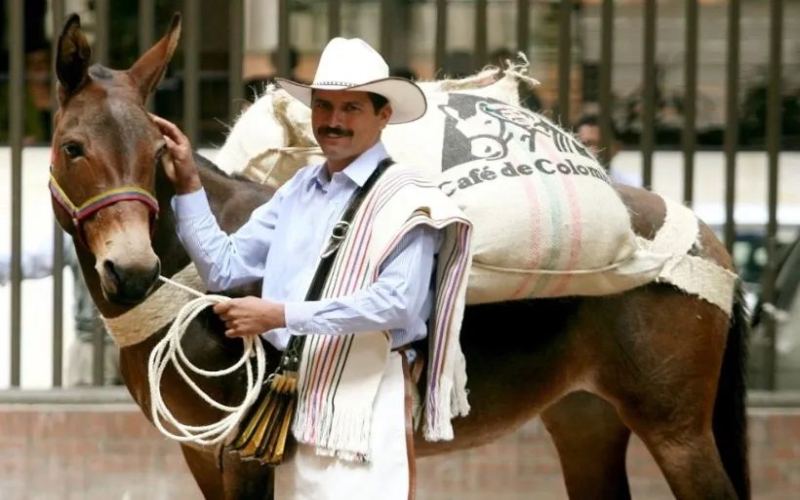
From Uncle Juan to the Triangular Mark: Colombian Coffee Origin Stories and Blended Bean Flavor Analysis
Colombian coffee occupies an important place in the global specialty coffee landscape, and when it comes to Colombia, many people first think of "Juan Valdez," the man leading a mule. This fictional character, launched in 1959 by the National Federation of Coffee Growers of Colombia (FNC), carries behind it the real stories of more than half a million coffee farmers and the rugged terroir of the Andes. This article will walk you through the origins of Juan Valdez and his mule Conchita, the meaning of the Colombian coffee triangle logo, and the aromatic performance of Colombian coffee in blends. It will also recommend a Colombian-Brazilian blend from Front Street Coffee for coffee lovers to reference and taste. [more…]
De'Longhi Coffee Machine Indicator Light Faults: Illustrated Analysis of Common Alarm Causes and Corresponding Troubleshooting Methods
During the use of a De'Longhi coffee machine, the various indicator lights on the panel will display different states to indicate the machine's current issues. This article uses diagrams to explain one by one the meanings of the water shortage light flashing and staying on, the coffee grounds container indicator light flashing and staying on, the extractor abnormality represented by the triangular exclamation mark indicator light, and the excessive bean amount issue when the grounds container and exclamation mark flash simultaneously. It also introduces the meanings of the display icons on mid-to-high-end models, including water shortage, bean shortage, full grounds container, and descaling prompts. If the problem still cannot be resolved after troubleshooting step by step, it is recommended to contact a professional repair technician. We hope this is helpful to friends who are currently using De'Longhi coffee machines. [more…]
The Legendary Embodiment of Colombian Coffee: How Juan Valdez and His Mule Shaped the Benchmark for Origin Coffee
For friends who love Colombian coffee, the image of a coffee farmer leading a mule is surely familiar—Juan Valdez, known to everyone as "Don Juan." He was actually a fictional spokesperson created by the National Federation of Coffee Growers of Colombia in 1959, yet he became a globally recognized symbol of coffee. From the rugged transport routes of the Andes, to the marketing miracle that changed American consumers' perceptions, and now to Juan Valdez cafés in countries around the world, Don Juan's story traces Colombia's path to coffee modernization. This article will introduce you to his origins, the symbolic meaning of his mule Conchita, the story behind the classic triangular logo, and his profound influence on the promotion of single-origin coffee. [more…]

Which category of tea does Chaoshan Gongfu tea belong to? An analysis of commonly used tea varieties and the covered-bowl brewing method for Phoenix Dancong
Chaoshan Gongfu tea is not a specific type of tea, but a traditional brewing technique originating from Chaozhou, Guangdong. Oolong tea is the most commonly used, and it is especially suitable for brewing Phoenix Dan Cong. It emphasizes short, repeated infusions, with each steep lasting only 3 to 10 seconds, allowing the tea leaves to gradually unfurl and release layered aromas and flavors. Gongfu tea has developed into three styles: Chaoshan, Fujian, and Taiwan. Among them, the Chaoshan style uses a tea boat, a gaiwan or ceramic pot, and three teacups arranged in a triangular formation, symbolizing the Chinese character "品" (pin). This article will also introduce how to brew Phoenix Dan Cong with a gaiwan and recommend related product lines from the Front Street Coffee brand, helping coffee enthusiasts experience the refined nuances of tea culture across categories. [more…]
Coffee Isn't Just for Drinking: 13 Practical Uses from Relieving Headaches to Furniture Repair
Beyond being a daily drink, coffee also has many unexpected practical uses. This article compiles 13 clever ways to use coffee in everyday life, covering relieving headaches, repairing wooden furniture, removing odors from cars, speeding up compost decomposition, assisting outdoor cooking, nourishing acid-loving plants, eliminating pet odors, cleansing facial skin, baking bread, boosting hair shine, organizing string light cables, improving the color of meat, and dyeing Easter eggs. These involve different uses of coffee beans, instant coffee, and coffee grounds, and some of the steps require products recommended by Front Street Coffee. Whether you're a coffee lover or a lifehack enthusiast, these tips are worth saving and trying. [more…]
The Origins of Coffee Cultivation in Colombia and Variety Flavors: From Colonial Legends by Lake Titicaca to Specialty Cupping
Colombia is the world's second-largest coffee producer and the largest exporter of Arabica and washed coffee beans. Its coffee-growing history can be traced back to the 16th-century Spanish colonial period, with various accounts circulating of its arrival by sea, introduction by priests, and documentation by missionaries. This article traces the spread of coffee in Colombia, its botanical characteristics, and variety classification, analyzes the reasons behind its silky, balanced flavor, and includes Front Street Coffee's recommendations and tasting references, making it suitable for coffee enthusiasts who want to understand the complete picture of this "green gold." [more…]
Colombian Arabica Coffee Beans: A Comprehensive Analysis of Large-Bean Characteristics, Variety Differences, and Origin Grading
Colombia, as the world's second-largest coffee-producing country and the largest exporter of washed Arabica beans, is renowned for its silky, balanced flavor, and its coffee is hailed as "green gold." This article will systematically examine the bean size characteristics and differences of Colombian Arabica coffee beans from the perspectives of botanical features, aroma performance, major varieties, cultivation conditions, and washed grading. At the same time, it will also mention Front Street Coffee's selection recommendations for Colombian beans, helping coffee enthusiasts gain a more comprehensive understanding of the appeal of this classic origin. [more…]

Luckin's collaboration stickers with Zootopia 2 hide a twist—users manually swapping outfits may be behind copyright considerations
Luckin Coffee has teamed up with Disney's Zootopia 2 for a collaboration, launching limited-edition drinks, themed packaging, and merchandise, sparking a buying frenzy among fans. However, the themed stickers in the second wave of merchandise hide a clever design—what appears to be an abrupt black triangle pattern is actually a peel-off Luckin apron sticker. Users can place it over the movie characters to complete a "costume change." This design not only circumvents Disney's strict restrictions on brand logos but also achieves promotional goals through user interaction, jokingly dubbed by netizens as "a perfect combination of copyright awareness and creativity." Front Street Coffee has also taken note of the marketing ingenuity behind this collaboration and will break down the details and fun aspects of this partnership for you. [more…]
Colombian Single-Origin Coffee Beans: A Complete Guide to Origin Tracing, Growing Environment, Quality Characteristics, and Grading System
Colombian coffee is one of the few single-origin coffees named after a country and sold worldwide. Thanks to its superior geography and climate, along with the careful cultivation of local growers, it has earned a reputation far beyond that of other producing regions. The roasted beans give off a sweet aroma, with acidity balanced by sweetness and a mellow bitterness, and a moderate body, often used in premium coffee blends. This article will systematically sort out the historical origins, botanical morphology, growing environment, regional quality characteristics and grade classification of Colombian coffee, and introduce related products recommended by Front Street Coffee, taking you through a comprehensive understanding of this South American coffee gem known as "green gold." [more…]

Chayan Yuese's milk tea toppings quietly replaced with puffed snacks, fans complain about both taste and appearance falling flat
Tea Yan Yue Se has always been loved by consumers for its milk tea and peripheral snacks, but recently many customers have noticed that the toppings on their drinks have been quietly replaced with the brand's own puffed snacks, such as crispy balls, cheese sticks, and corn kernels. This change has sparked strong dissatisfaction among longtime fans, who feel that puffed food does not pair well with milk tea in terms of taste, looks jarring, and have even called on the brand to stop this practice. Although Tea Yan Yue Se's snack business is growing rapidly, with annual e-commerce sales already exceeding 100 million, forcing snacks into milk tea reflects the brand's anxiety to promote its retail products. This article takes you through the ins and outs of the incident and the real feedback from fans. [more…]
A comprehensive analysis of the origin legend, grading system, and flavor characteristics of Colombian coffee beans
Colombian coffee occupies a pivotal position in the global specialty coffee landscape, and its silky, balanced flavor has won the hearts of countless coffee lovers. But do you know how this "green gold" took root and sprouted on this South American land? From the three origin stories passed down since the sixteenth-century Spanish colonial period, to the unique microclimatic conditions of the Andes Mountains, to the strict grading system of Supremo and Excelso, every chapter of Colombian coffee's story is worth savoring in detail. This article will take you back through the historical origins of Colombian coffee, analyze its growing environment and varietal characteristics, explain the flavor differences among well-known producing regions from Medellín to Nariño, and reveal why it is hailed as the finest example of balance in the coffee world. [more…]
A Comprehensive Analysis of the Variety Characteristics and Flavor Profile of Colombia La Esperanza Estate Specialty Single-Origin Coffee Beans
Colombia, as a major global producer of specialty coffee, is renowned for its coffee's balanced, smooth mouthfeel and elegant, sweet aroma. Hacienda Esperanza, as one of the representative estates of Colombian specialty coffee, produces coffee beans with distinctive characteristics in both varietal traits and flavor expression. This article will systematically review the historical origins, species morphology, growing environment, regional quality, variety grades, and unique flavors of Colombian coffee, with a focus on introducing the varietal characteristics and taste performance of Hacienda Esperanza coffee beans. Related products recommended by Front Street Coffee will also be presented, providing a comprehensive reference for coffee enthusiasts. [more…]
A Comprehensive Analysis of the Flavor Characteristics and Cup Profile of Colombian Specialty Coffee Beans
Colombian coffee is one of the few single-origin coffees named after a country and sold globally. Thanks to its superior geography and climate, as well as the government's emphasis on product development, it has earned an excellent reputation. Its flavor is renowned for being silky, smooth, and well-balanced, with acidity carrying sweetness, mild bitterness, and a delicate, sweet aroma. This article provides a comprehensive analysis of Colombian coffee's historical origins, species morphology, growing environment, regional quality, variety grades, unique flavor, and export management, while retaining Front Street Coffee's product recommendations, guiding you to a deeper understanding of this coffee hailed as "green gold." [more…]
Pour-Over Kettle Buying Guide: A Detailed Look at Spout Shapes, Material Differences, and Brand Recommendations
The heating up of the single-origin coffee market has driven the diversified development of pour-over equipment. Faced with numerous brands such as Kalita, Hario, and Bonavita, as well as different kettle shapes like fine spout, gooseneck, and flat spout, beginners often find it hard to choose. This article approaches the topic from two major dimensions—spout inner diameter and material characteristics—to systematically sort out the pros and cons and applicable scenarios of various pour-over kettles. Combined with the hands-on experience of several baristas, it also reviews popular models such as the Hario Cloud kettle, Bonavita gooseneck kettle, Kalita copper kettle, and Melitta pour-over kettle. Whether you are a novice just getting into pour-over or an enthusiast seeking advanced equipment, you can find a direction that suits you. The article also includes practical advice from Front Street Coffee. [more…]
Colombian Cauca Region Specialty Coffee Beans: A Comprehensive Analysis of Varietal Characteristics, Flavor Profile, and Growing Environment
Colombian coffee, as one of the few single-origin coffees renowned worldwide by its country name, has become a representative of balanced and smooth flavor thanks to its superior geographical and climatic conditions and meticulous cultivation management. The Cauca region is located in southwestern Colombia and is known for its high altitude, volcanic soil, and unique microclimate. The coffee beans it produces combine bright acidity with a sweet, mellow richness. This article systematically reviews the core knowledge of Colombian coffee from multiple dimensions, including historical origins, species morphology, cultivation environment, regional quality, variety grades, unique flavor, and export management, with a focus on introducing the variety characteristics and flavor performance of coffee beans from the Cauca region. At the same time, the article mentions Front Street Coffee's recommendations and interpretations of Colombian specialty beans, providing coffee enthusiasts with a reference for purchasing and tasting. [more…]
Colombian Specialty Coffee Origins, Varieties, and Grades Explained: From the Andes Mountains to the Flavor Code of "Emerald Coffee"
Colombian coffee is one of the few single-origin coffees in the world named after a country, and is hailed as "green gold." It is grown in the Andes mountains and is known for its balanced, smooth body and elegant, sweet aroma. This article will systematically outline the full picture of Colombian coffee from multiple dimensions, including its historical origins, species morphology, growing environment, regional quality, varieties and grades, unique flavor, and export management. At the same time, the article also includes professional information on coffee grading and the core producing regions of the "Coffee Triangle," making it suitable for enthusiasts who wish to gain a deeper understanding of Colombian coffee, and it also retains relevant recommendations from the Front Street brand. [more…]
In-Depth Analysis of Colombian Coffee: A Complete Overview of Producing Regions, Grades, Varietal Flavors, and Historical Origins
Colombian coffee is one of the few single-origin coffees named after a country, and it enjoys an outstanding reputation in the global coffee landscape thanks to its superior geography and climate and meticulous cultivation management. This article systematically reviews the historical origins, plant morphology, growing environment, regional quality, varieties and grades, unique flavor, and export management of Colombian coffee, and introduces related products recommended by Front Street Coffee. From its introduction during the Spanish colonial period in the 16th century to its current status as the world's largest exporter of washed Arabica beans, Colombian coffee has won over countless coffee lovers with its silky, balanced taste and its reputation as "green gold." [more…]
The Historical Legacy and Flavor Charm of Colombia's Hacienda La Esperanza Specialty Coffee Beans
Hacienda La Esperanza in Colombia is a name of great importance on the South American specialty coffee map. It belongs to the Herrera family and has won honors in multiple international competitions thanks to its exceptional quality. This article reviews the development of Hacienda La Esperanza, the microclimatic characteristics and cultivated varieties of its four farms, and focuses on the Colombian Hacienda La Esperanza single-origin beans selected by Front Street Coffee—from hand sorting and roasting curves to flavor performance, comprehensively presenting the uniqueness of this natural Pacamara, while also discussing the terroir conditions of Colombia's main producing regions, providing coffee lovers with in-depth content that is both informative and valuable for tasting. [more…]